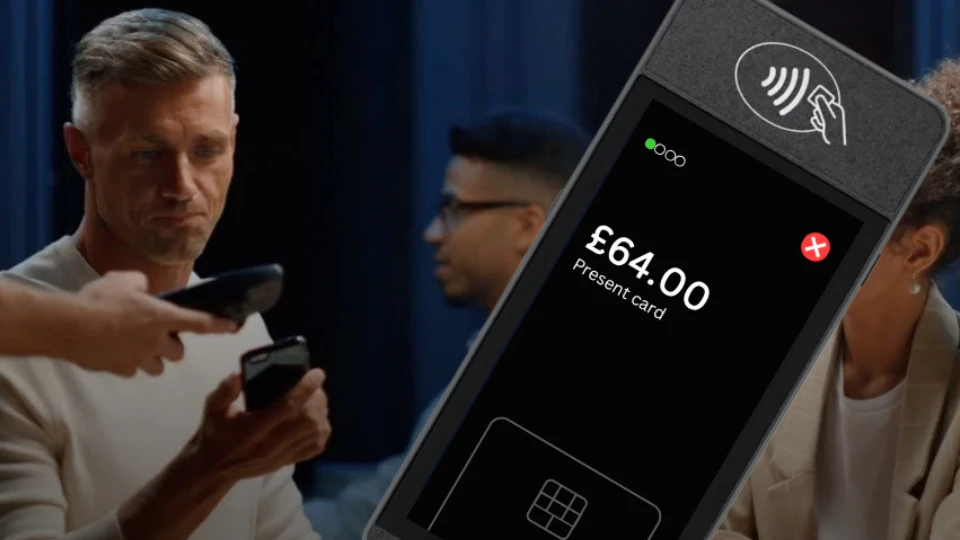
For restaurants, bars and retail businesses, choosing between integrated payments and standalone terminals is one of the most important decisions affecting speed of service, accuracy, reporting and overall customer experience.
This guide explains the difference, the pros and cons of each, and why integrated payments are becoming the preferred choice across the UK & Ireland in 2025.
What Are Standalone Card Terminals?
Standalone terminals operate independently from your EPoS system. Staff type in the amount manually, process the payment, and then record it separately on the till.
They are common in older setups but introduce several challenges:
- Manual entry leads to errors and mismatched totals
- Slower service during busy periods
- Tips and service charges must be keyed separately
- End-of-day reconciliation takes longer
- No link between products sold and payment taken
What Are Integrated Payments?
Integrated payments link your EPoS system directly with the payment terminal. The amount is sent automatically to the card machine — no retyping, no mistakes.
This eliminates manual entry and connects the entire workflow:
- Orders → bills → payments → reporting
- Tips, card fees and batches all tracked automatically
- No mismatched totals at the end of day
Why Integrated Payments Are Better in 2025
1. Faster Service and Quicker Payments
The payment amount is sent instantly to the terminal. No typing, no delay. This speeds up bar service, table service and retail queues — especially at peak times.
2. Fewer Errors and No Mismatched Totals
Manual typing mistakes disappear. Every payment always matches the order on the till, protecting revenue and removing end-of-day discrepancies.
3. Better Tipping Experience
Integrated terminals show clear tipping screens and match tips automatically to orders, staff and terminals — crucial for hospitality venues tracking gratuities.
4. Faster End of Day
Batches, totals, Z-reads and reconciliation all sync automatically. No more hunting for missing card receipts or resolving discrepancies.
5. Accurate Reporting & VAT
Because the till and terminal talk to each other, your reports always match — including VAT, tips, refunds, discounts and service charges.
6. Table-Side Ordering & Payments
With integrated portable terminals (like TapaPay handhelds), staff can take orders and payments at the table, reducing wait times and increasing table turnover.
7. Fewer Chargebacks & Better Fraud Protection
Integrated transactions are harder to dispute because the payment is tied directly to an itemised bill.
Where Standalone Terminals Still Make Sense
Standalone devices can still be useful in certain scenarios:
- Businesses taking very low volumes of card payments
- Temporary pop-ups or market stalls
- An effective backup option during outages, as terminals can still run in standalone mode using 4G when Wi-Fi drops.
But for most hospitality & retail businesses, integrated is now the industry standard.
Why Integrated Payments Work Best with TapaPay
TapaPay is built specifically for hospitality and retail — fully integrated into TapaPOS and Tapa Office.
✔ Faster orders and payments
✔ Portable handhelds with menu + payment in one
✔ No rekeying errors
✔ Accurate tips and batching
✔ Simple end-of-day
✔ Full reporting in Tapa Office
Want to switch to integrated payments?
Book a short demo and discover how TapaPay can help speed up service and reduce errors.